About Filipino Sign Language
Understanding FSL and its importance in the Filipino deaf community.
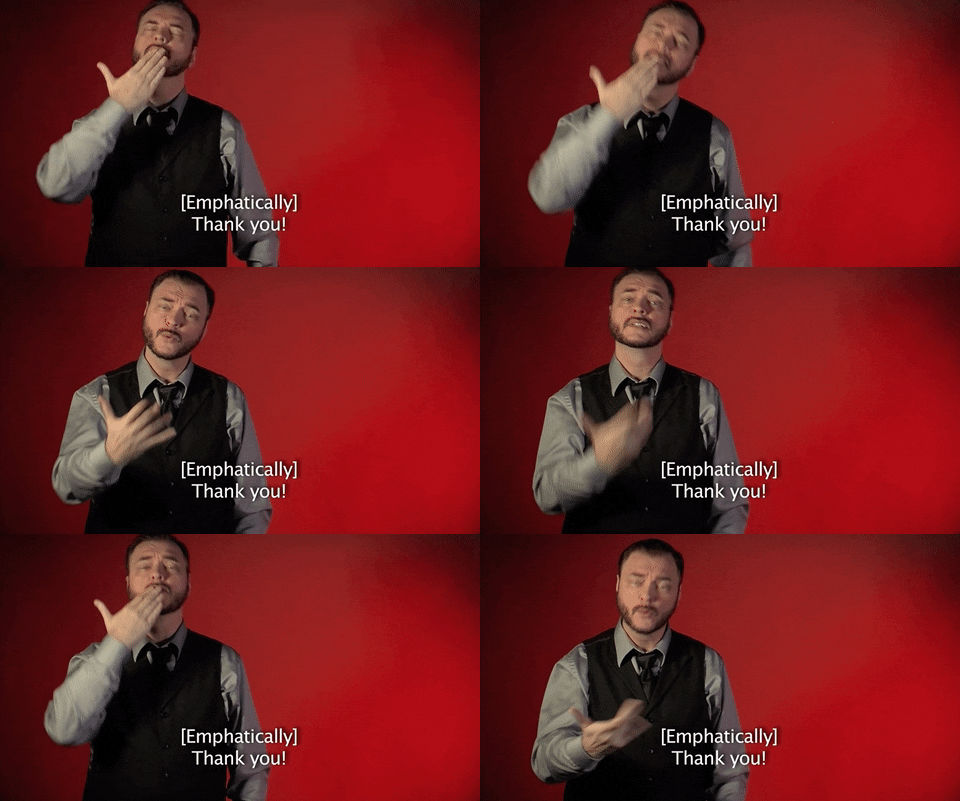
What is Filipino Sign Language?
Filipino Sign Language (FSL) is the national sign language of the deaf community in the Philippines. It is a complete, natural language with its own grammar, vocabulary, and linguistic structure—distinct from spoken Filipino or English.
FSL has roots in American Sign Language (ASL) but has evolved into a unique language with indigenous signs and cultural expressions that reflect Filipino identity and deaf culture.
The Philippine government officially recognized FSL in 2018 through Republic Act No. 11106, the Filipino Sign Language Act, affirming its use in education, government, and public services.
Why Learn FSL?
Connect with Community
Join and communicate with over 120,000 deaf Filipinos and their families
Show Inclusivity
Demonstrate respect and create an inclusive environment for all
Cultural Understanding
Learn about deaf culture and gain a broader perspective on communication
Accessibility Matters
Help break down communication barriers and promote equal access
Personal Growth
Develop new skills and cognitive benefits from learning a visual language
Professional Value
Enhance your career opportunities in education, healthcare, and social services
Key Principles of FSL
Visual-Spatial Language
FSL uses hand shapes, movements, facial expressions, and body language to convey meaning. It's not a direct translation of spoken language but has its own grammar and syntax.
Facial Expressions
Facial expressions are grammatical markers in FSL, not just emotional expressions. They can change the meaning of signs and indicate questions, negations, or emphasis.
Cultural Context
FSL is deeply connected to Filipino deaf culture. Learning the language means understanding and respecting deaf culture, norms, and community values.
Regional Variations
Like spoken languages, FSL has regional variations and dialects across different areas of the Philippines, enriching its diversity and cultural significance.
Understanding Deaf Culture
Deaf culture is a vibrant community with its own values, traditions, and ways of interacting. When learning FSL, it's important to understand and respect these cultural aspects:
- •Visual Communication: Deaf culture values direct eye contact and visual attention as signs of respect and engagement in conversation.
- •Name Signs: Members of the deaf community often have unique name signs given by other deaf individuals, which is considered an honor.
- •Deaf Gain: The perspective that deafness is not a deficit but a different way of experiencing the world, bringing unique perspectives and abilities.
- •Community Identity: Many deaf individuals identify as part of a linguistic and cultural minority rather than having a medical condition.
- •Tactile Communication: Touch is often used to get attention or express emotion, which may differ from hearing culture norms.
Continue Your Learning Journey
This platform is just the beginning. Connect with local deaf communities, attend FSL classes, and practice regularly to become truly proficient.
Practice Daily
Consistency is key
Join Communities
Learn from native signers
Be Respectful
Honor deaf culture